What Is a Customer Data Hub and When Do You Need One?
Ask three teams in the same company to describe a customer and you will often get three different answers. Sales describes a deal history that lives in the CRM. Support describes a backlog of tickets in a different tool. Delivery describes the projects running in Jira or monday.com. Each description is accurate on its own, and none of them is complete.
Customer data rarely goes missing. It gets spread across systems that were each chosen for a good reason and never designed to talk to one another. A customer data hub is the layer that puts those pieces back together into a single view. This guide covers what a hub actually does, how it differs from a CRM and a CDP, and how to tell whether your organization has reached the point where one is worth building.
What a Customer Data Hub Is
A customer data hub is a system that consolidates customer information from multiple sources into one authoritative view. The sources are typically the CRM, support platform, billing system, communication tools, and the project or work management platforms where delivery happens.
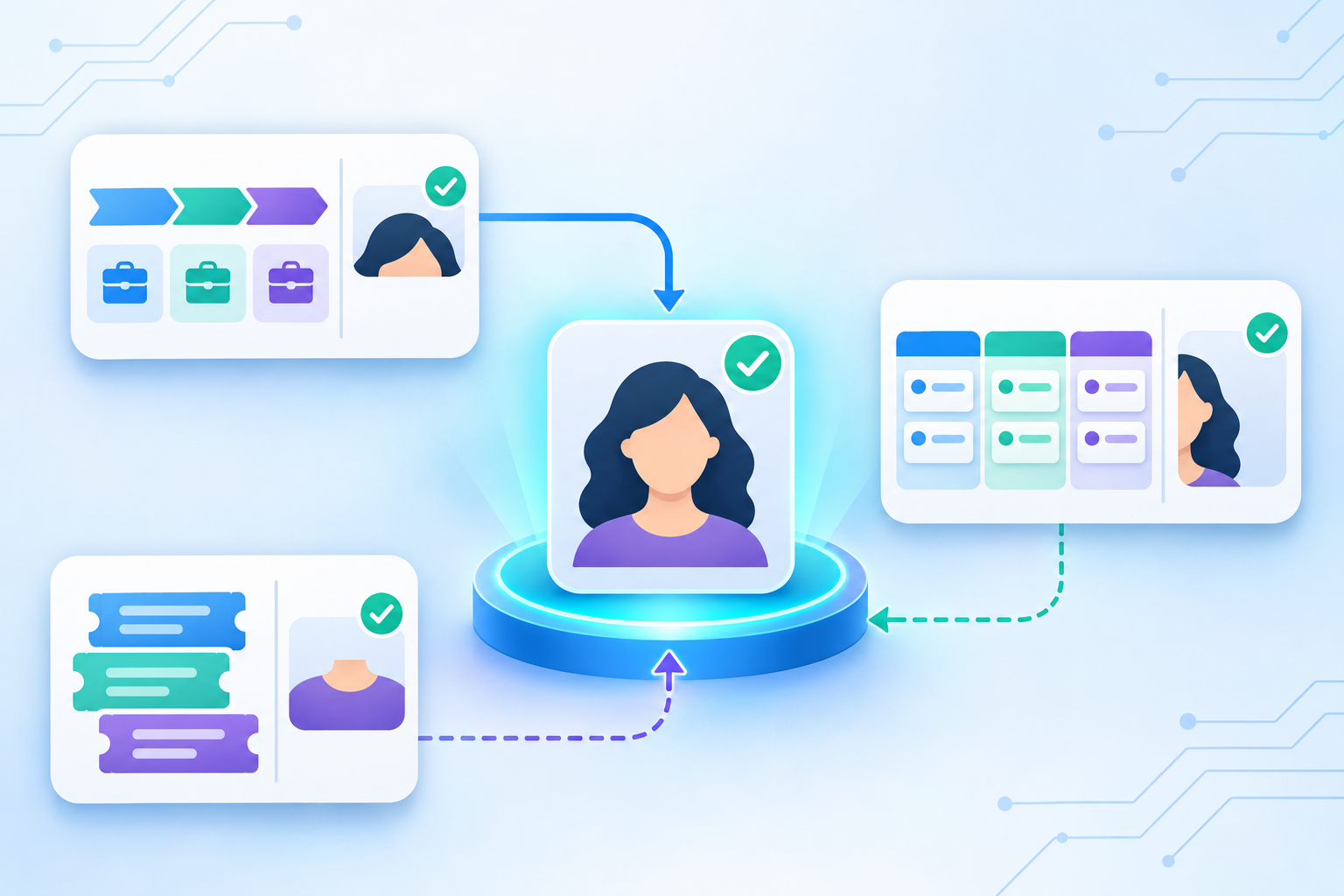
The hub does three things with that data. It matches records across systems, so that "Acme Corp" in the CRM, "ACME" in the invoicing tool, and "acme-corp" in the project tracker are recognized as the same customer. It maintains a unified profile that combines the attributes each system holds. And it keeps that profile current, so that a change in any connected system is reflected in the central view rather than creating a new inconsistency.
The result is that questions spanning multiple systems get answers from one place. Which customers have open support tickets and a renewal in the next quarter. Which accounts generate the most delivery work relative to their contract value. What actually happened with this customer over the past year, across every team that touched them.
Customer Data Hub, CRM, or CDP?
The term sits close to two others, and the confusion is common enough to address directly.
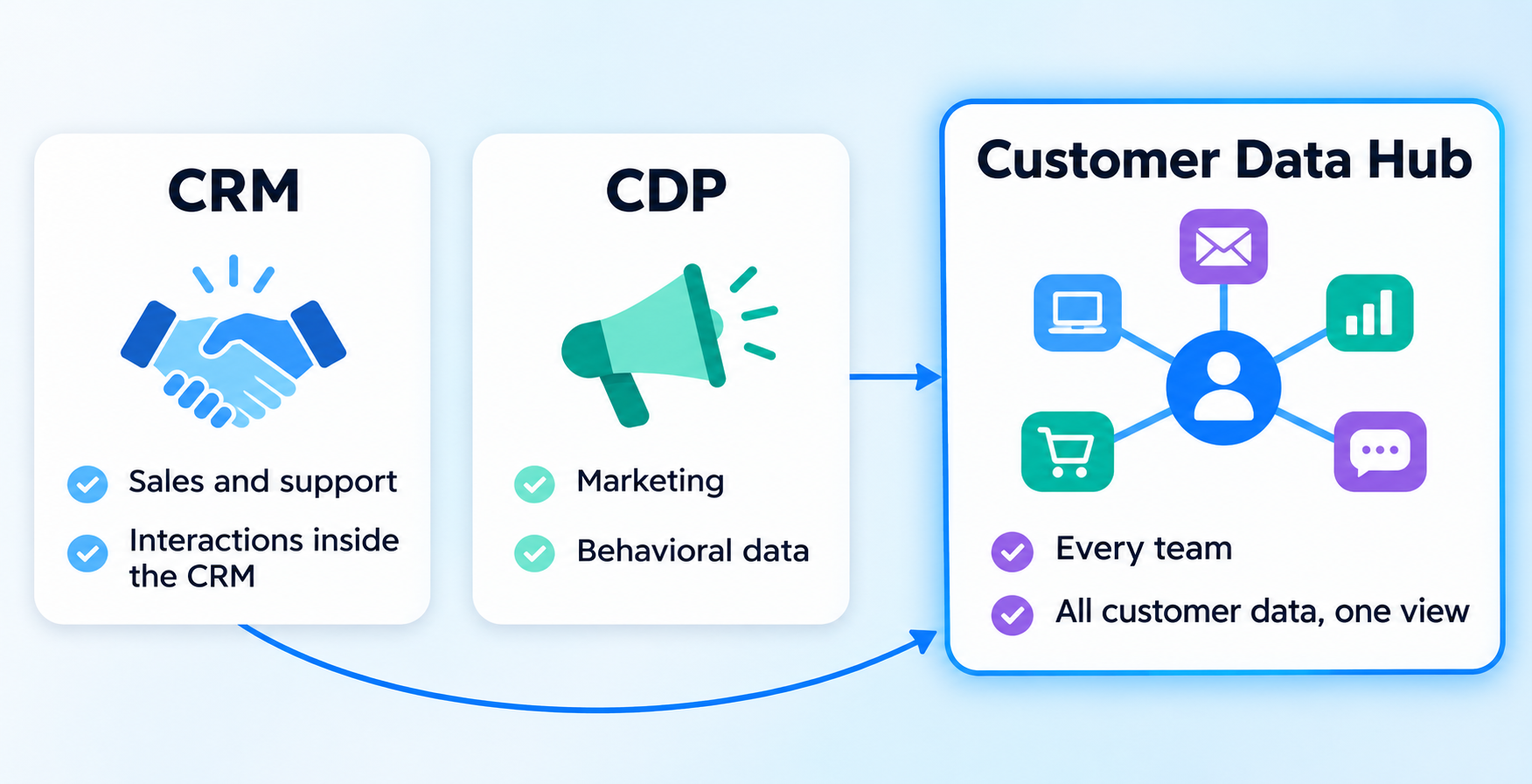
A CRM is an operational tool for managing customer relationships. It is where sales and support do their daily work. It holds rich data about interactions, but only the interactions that happen inside it. What the delivery team does in Jira or monday.com, or what finance records in the invoicing system, does not exist from the CRM's point of view.
A CDP, or customer data platform, comes from the marketing world. It collects behavioral data, such as website visits, email opens, and product usage, to build audience segments for campaigns and personalization. Its consumers are marketing tools.
A customer data hub is broader than a CRM and more operational than a CDP. It unifies customer data across all functions, including the operational systems a CDP ignores, and serves it back to any team that needs it rather than primarily to marketing. For many organizations, the hub sits behind the CRM and the CDP, feeding both.
The Problem It Solves in Practice
The cost of fragmented customer data is rarely one big failure. It is a steady accumulation of small ones.
An account manager walks into a renewal conversation unaware that the customer has had four support escalations in the past month, because tickets live in a system the sales team never opens. A support engineer spends twenty minutes reconstructing context that already exists in the CRM and the project tracker. A finance team chases a payment while the delivery team, unaware, keeps expanding the project scope. Leadership asks a simple question, such as which customers are profitable once delivery effort is counted, and the answer requires a week of manual data assembly.
Each of these situations is caused by the same structural fact. Customer data exists, but no single system holds enough of it to support the decision at hand.
When You Actually Need a Customer Data Hub
A customer data hub earns its place when specific conditions hold. If most of these are true for your organization, the fragmentation cost is probably already larger than it looks:
- Data spread across systems: customer data lives in four or more systems, and at least two departments regularly need information that sits in a system they do not use.
- Manual preparation: preparing for important customer conversations requires manually gathering context from multiple tools.
- Conflicting numbers: different teams report different numbers for the same customer metric.
- Fragile handoffs: handoffs between sales, delivery, and support depend on someone remembering to pass context along.
If customer data lives mostly in one or two well-connected tools, a hub adds little. The value scales with fragmentation, not with company size.
How a Customer Data Hub Fits Into the Stack
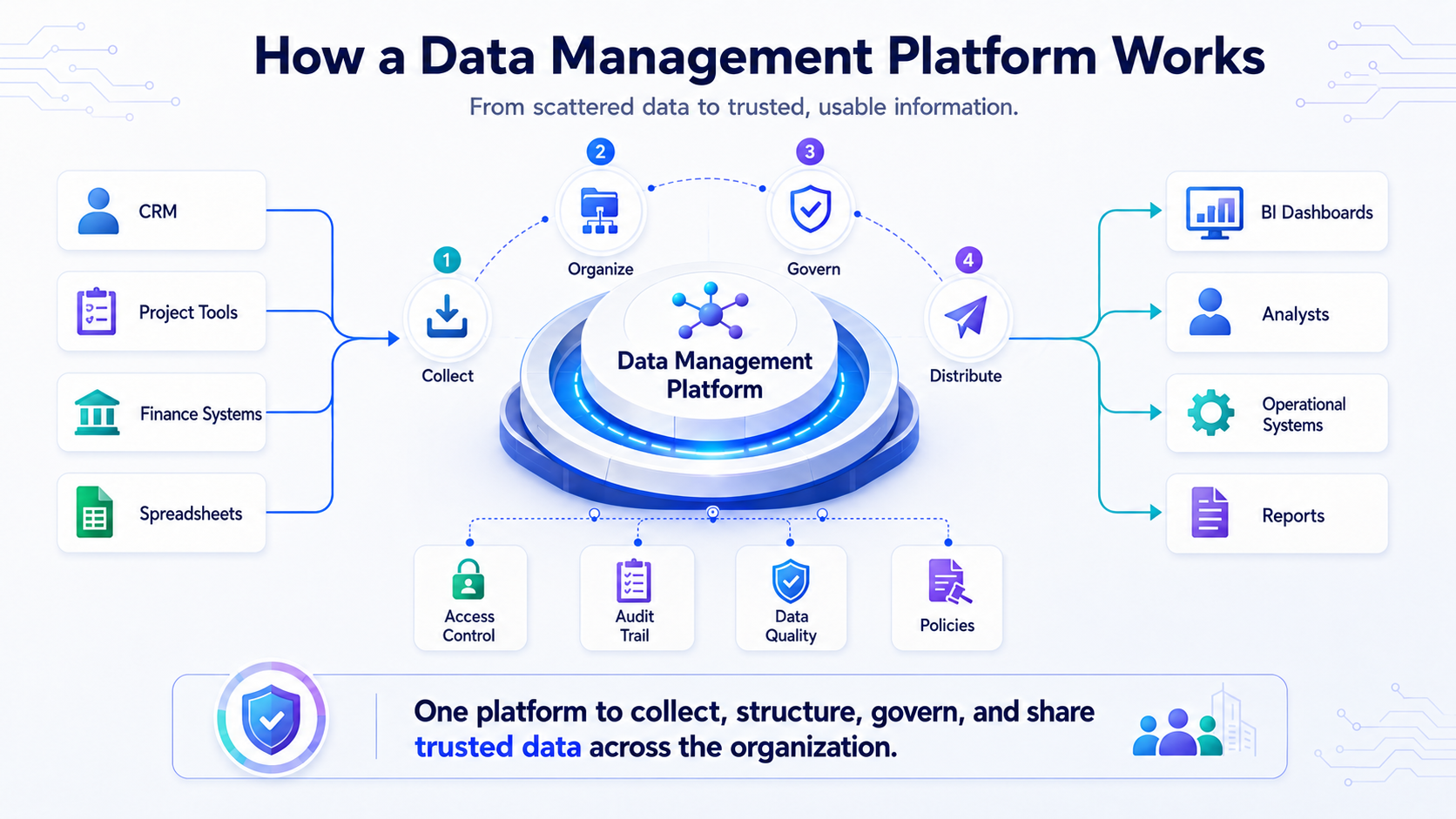
Architecturally, a customer data hub is a specialized application of a broader pattern. The general version of the pattern, a layer that connects systems and keeps data synchronized between them, is covered in our guide to what a data integration hub is. A customer data hub applies that same logic to one entity, the customer, and adds identity resolution and profile unification on top.
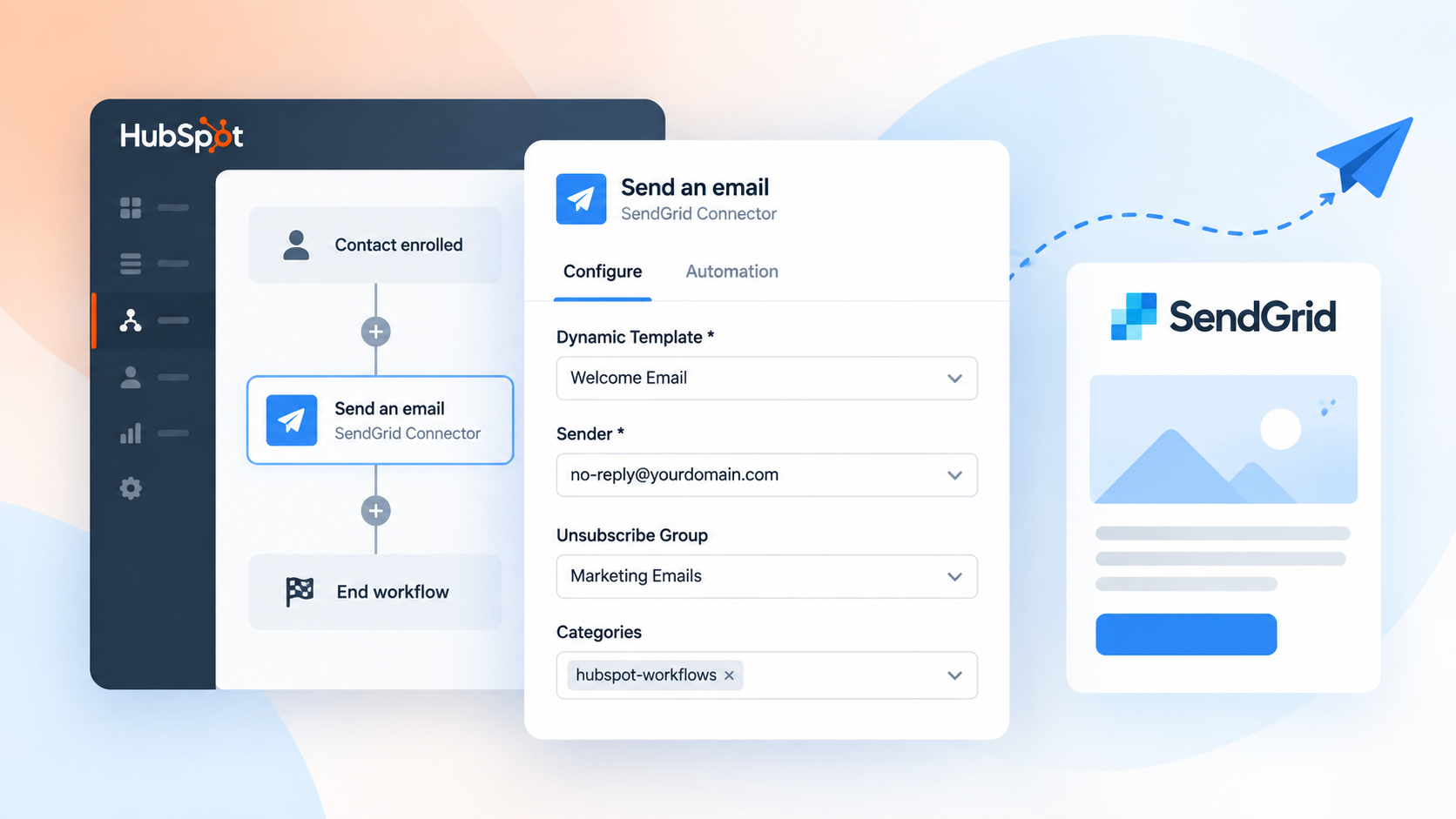
For teams working in Jira, Confluence, or monday.com, there is also a practical dimension that does not require a full hub to start addressing. A meaningful share of the fragmentation problem is simply that customer context is invisible where operational work happens. Making CRM data visible inside the work management platform, for example through a HubSpot integration with Jira and Confluence, closes the most painful part of the gap for delivery and support teams. A dedicated hub becomes the natural next step when visibility alone is no longer enough and teams need unified data they can query, report on, and act from.
FAQ
What is the difference between a customer data hub and a CRM?
A CRM manages customer interactions for the teams that work inside it, primarily sales and support. A customer data hub consolidates customer data from all systems, including the CRM, billing, support, and project tools, into one unified view. The CRM is a source and a consumer of the hub, not a replacement for it.
Is a customer data hub the same as a CDP?
No. A CDP collects mostly behavioral and marketing data to build segments for campaigns and personalization. A customer data hub covers operational data across all functions, including delivery, support, and finance, and serves every team rather than primarily marketing.
Do small companies need a customer data hub?
Usually only if their customer data is heavily fragmented. The trigger is the number of systems holding customer data and how often teams need information from systems they do not use, not the size of the company. Many small teams get most of the benefit by integrating their CRM directly with their work management tools.
What data goes into a customer data hub?
Typically identity and firmographic data, interaction history from the CRM, support tickets, billing and contract information, and operational data from project and work management tools. The exact scope depends on which questions the organization needs to answer across systems.
Want customer context where your delivery and support teams already work? The HubSpot CRM Connector for Jira and the HubSpot CRM Connector for Confluence bring HubSpot records into Jira issues and Confluence pages.